






Introduction
When it comes to facial hair removal, threading and waxing are top contenders — but the best method for you depends on your skin type, sensitivity, and personal preferences.
In this blog, we break down the pros and cons of both methods, compare pain levels, discuss precision and aftercare, and help you decide which one will give you the smoothest, least irritating results.
What Is Threading?
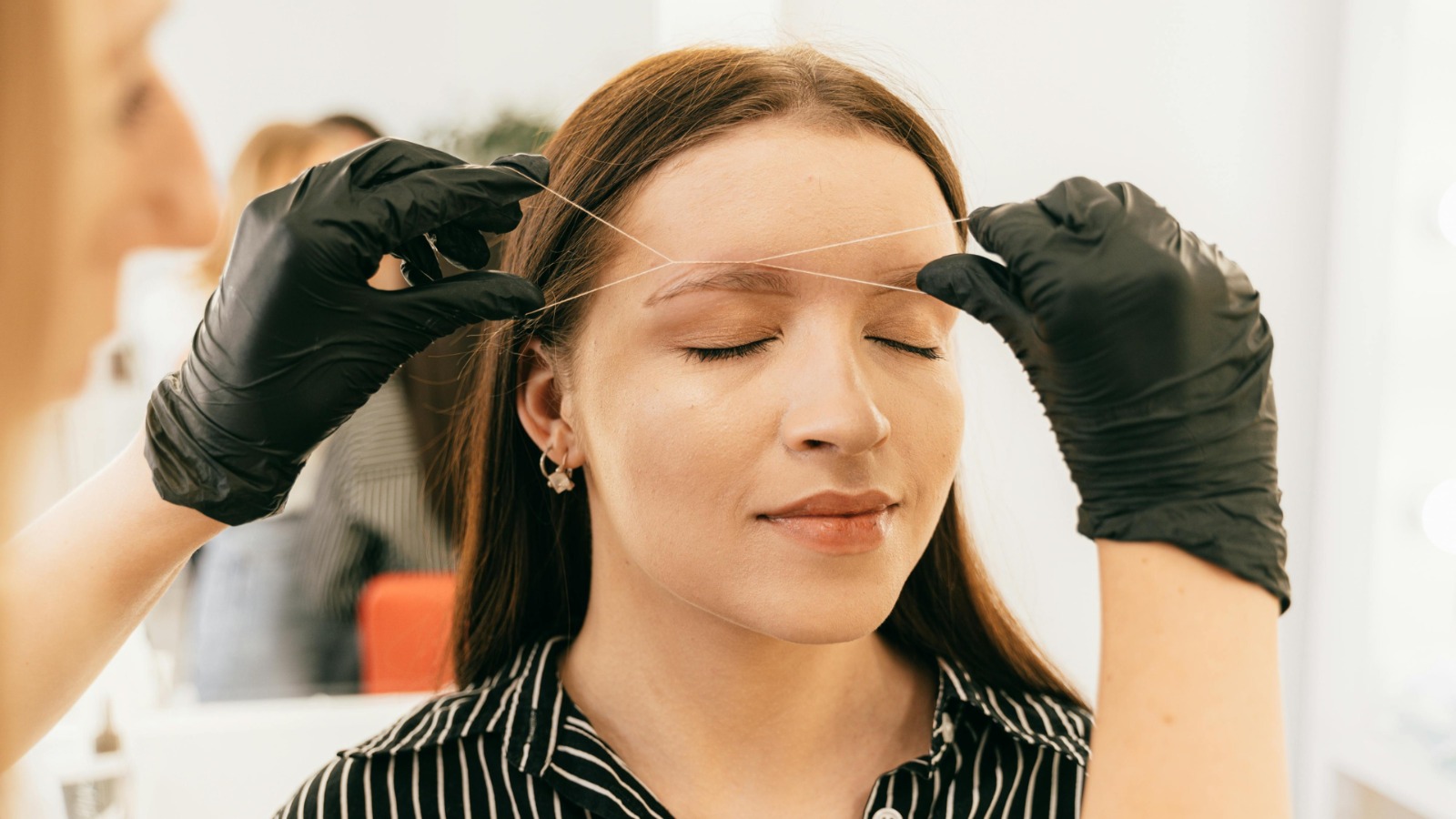
Threading is an ancient technique that uses twisted cotton thread to trap and pull out hair from the follicle. It’s commonly used for shaping eyebrows and removing facial hair around the lips, cheeks, and forehead.
Pros:
- Great for sensitive skin — no heat or chemicals involved
- Offers precise shaping, especially for eyebrows
- Minimal risk of irritation or ingrown hairs
Cons:
- Can be painful for first-timers, especially on coarse hair
- Takes slightly longer for large areas
- Redness may occur temporarily
What Is Waxing?
Waxing involves applying warm (or cold) wax to the skin and then quickly removing it, pulling hair out from the root. It’s commonly used for the upper lip, chin, and full face.
Pros:
- Fast and efficient for large areas
- Results can last longer (up to 4 weeks)
- Exfoliates dead skin along with hair
Cons:
- Can cause irritation or breakouts on sensitive skin
- Risk of burns if wax is too hot
- May lead to ingrown hairs
Pain Level Comparison
- Threading: Feels like small pinches or scratches. Pain is usually localized and tolerable. Best for those who want precision without harsh skin contact.
- Waxing: A quick sting or pull in one go. It can feel more intense, especially on delicate areas like the upper lip or chin.
Pain Tip: Avoid both methods right before your period, when pain sensitivity is higher.
Which Is Better for Sensitive Skin?
Threading is generally better suited for sensitive or acne-prone skin because it doesn’t involve heat or chemicals. If your skin reacts easily or gets red and bumpy, threading is a gentler choice.
Waxing, however, may cause redness, irritation, or even small breakouts, especially if your skin barrier is compromised.
Precision and Shaping
- Threading wins when it comes to eyebrow shaping. It offers precise control over individual hairs, creating cleaner lines and symmetry.
- Waxing is faster but may not give the same level of detail, especially for intricate brow work.
Aftercare Tips for Both Methods
- Avoid touching your face immediately after hair removal.
- Apply aloe vera or a cooling gel to soothe the skin.
- Skip makeup, heavy creams, or exfoliants for at least 24 hours.
- Use sunscreen if stepping outside — freshly waxed or threaded skin is more prone to UV damage.
So, Which One Should You Choose?
| Concern | Best Option |
|---|---|
| Sensitive Skin | Threading |
| Precision (e.g., eyebrows) | Threading |
| Larger Areas (e.g., full face) | Waxing |
| Time Efficiency | Waxing |
| Avoiding Chemicals | Threading |
| Exfoliating Dead Skin | Waxing |
Conclusion
Both waxing and threading have their strengths — and your choice should depend on your skin type, pain tolerance, and beauty goals. If you want precision and have sensitive skin, threading is your go-to. If you prefer speed and long-lasting smoothness, waxing might be better.
Still unsure? Ask your salon professional to recommend what’s best based on your skin’s condition. Whatever you choose, with proper care and technique, both methods can leave you with a clean, polished look — minus the irritation.


